Works and Developments (2010–present)
Since his CAP Master’s studies in "Contemporary Arts Practice" at the Bern University of the Arts (2009–11), Maurice de Martin has expanded his work towards sound, installation, and process-based art. His projects are deliberately situated outside conventional high-culture formats and seek constellations considered unlikely: collaborations between groups whose cooperation is not typically intended institutionally, socially, or structurally.
His practice operates close to artistic research. In Switzerland, he worked within an HKB research project on the “situation of authorship in music” (2010–11), and in Austria he was a member of the FWF research project "Other Spaces – Knowledge through Art" (2011–15). Here, art appears as an autonomous form of knowledge production.
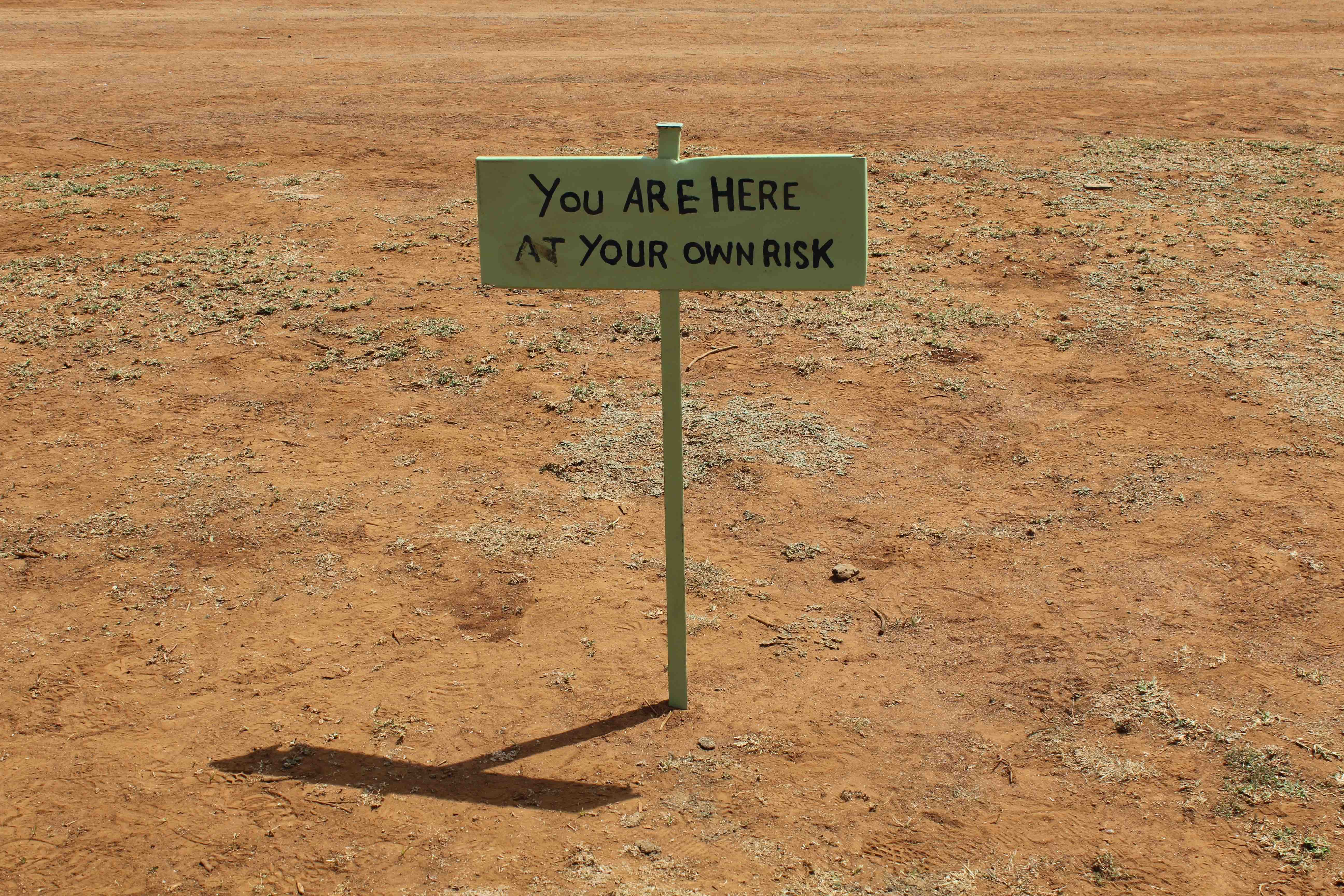
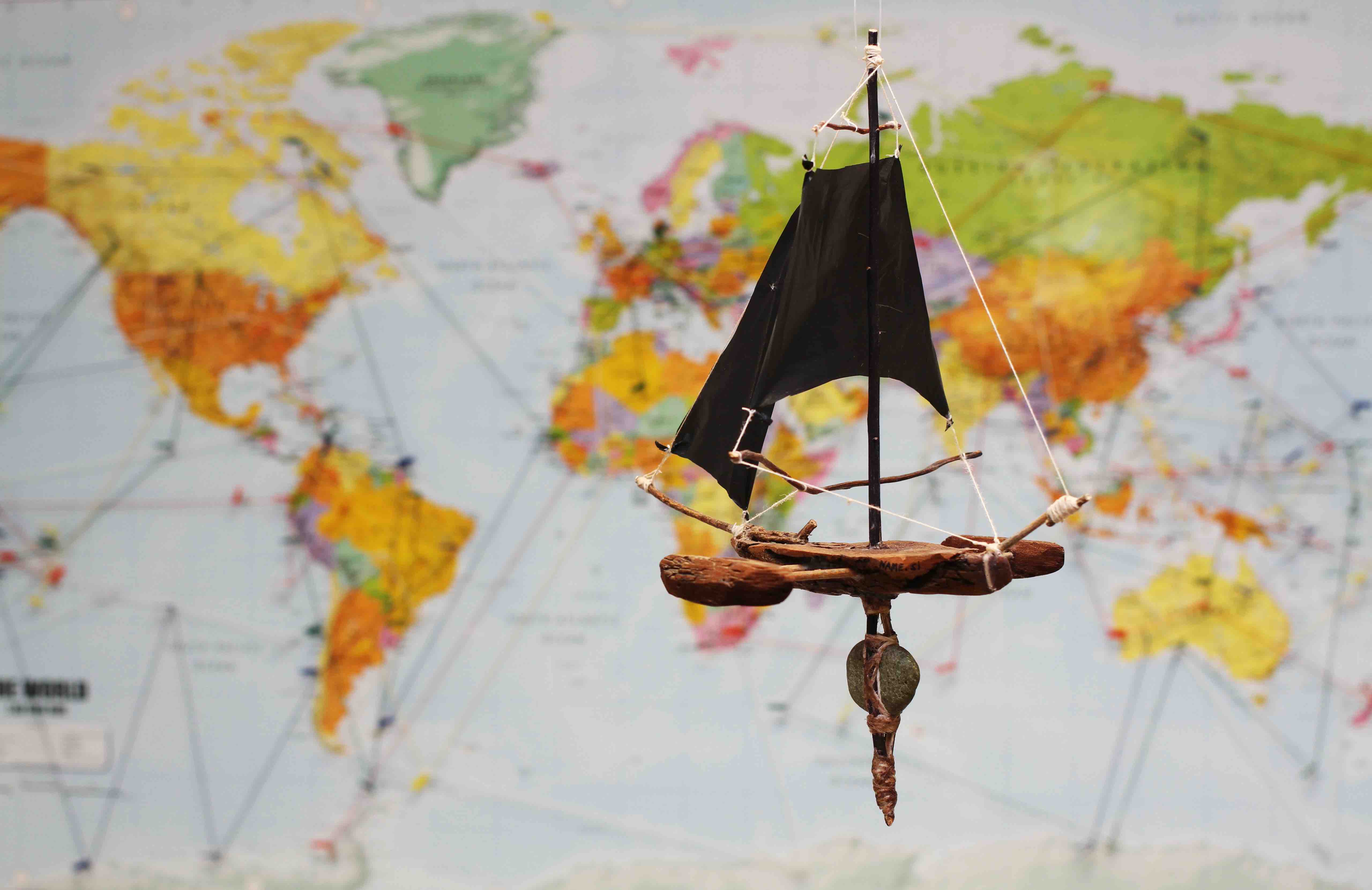
In the international long-term project "UNKNOWN SPACES" (2011–2016, together with director Janina Janke), de Martin worked at the four headquarters of the United Nations—Vienna, Geneva, Nairobi, and New York—collaborating with UN staff and investigating the position of the individual within complex institutional structures.
With projects such as "C-Zone" (BMW Guggenheim Lab, 2012), "Maurice ist da!", the "Temporary Art Academy Marzahn", and the "Unholdt Forum", he initiated long-term collaborations (2012–2016) with residents of the prefabricated housing district Berlin-Marzahn in cooperation with Galerie M. At the center of this work were questions concerning the value and function of art under changing social conditions, as well as the exploration of the distinction between art and culture—particularly reflected in the "Unholdt Forum".
With the "Summer Academy @ Häselburg" and the subsequent project "Gera2025?", this practice deliberately shifted from a protected social space into an openly negotiated arena from 2017 onward. The artistic work in the small Thuringian city of Gera responded to social polarization within the community and consciously sought confrontation—in collaboration with actors from widely differing political contexts and, for the first time in de Martin’s work, including people with mental and physical conditions.
In the hybrid project between music and process art "Just Intonation" (2018–2019), nearly 100 patients and staff members of a psychiatric clinic developed their own scores, which were performed under their direction by doctors and professional musicians. In this installative, simultaneously music-theatrical model, familiar roles were deliberately reversed: patients assumed artistic authorship and “conducted” those who are their caregivers in everyday life. This created an unexpected experiential space in which people undergoing psychiatric treatment could experience themselves as authors of their own actions, while the clinical staff adopted an unfamiliar perspective and reflected on their own roles. The project was accompanied and analyzed scientifically.
During the COVID-19 pandemic (2020–21), Maurice de Martin directed the remote project "RADIO INSTANTOPIA": an eight-month media art workshop with young artists from Kaliningrad and Berlin.
Two very different teams, who never met physically, developed an intensive shared working process. The “instant topos” emerged as an imaginary space—online–offline, between the lines—an example of time design under conditions of physical-spatial impossibility (2019–20). The project was supported by the Federal Government Commissioner for Culture and the Media.
For another hybrid project, "Landfrauenband" (2023–24), de Martin developed a participatory format that brought together women of different generations from rural areas over a period of three months. The artistic experiment combined self-developed musical practice with collective authorship and social intervention—opening a space in which aesthetic production and collective empowerment become inseparably intertwined.